
tempered glass dimensions
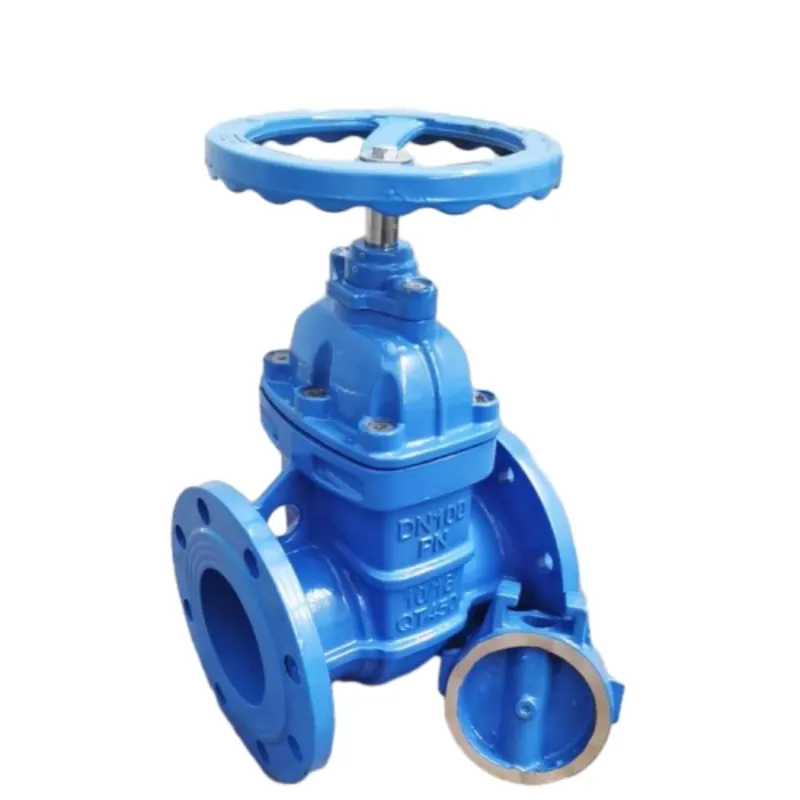
How to Close the Water Valve A Step-by-Step Guide Closing the water valve is an essential skill for homeowners and renters alike. Whether you are addressing a plumbing emergency, making repairs, or winterizing your home, knowing how to safely and effectively shut off your water supply can save you time, money, and potential water damage. This article will guide you through the process of closing the water valve, ensuring you are well-equipped to handle any situation. Understanding Your Plumbing System Before diving into the process, it’s helpful to understand how your home’s plumbing system is set up. Water typically enters your home via a main supply line, which branches off into various pipes feeding your kitchen, bathroom, laundry, and other areas. The water valve, also known as the shut-off valve, controls the flow of water from the main supply line into your home. There are several types of valves, including ball valves, gate valves, and globe valves, each with its own mechanism for operation. Locating the Main Water Valve The first step is to locate your main water valve. In most homes, the main shut-off valve is situated near where the water line enters the house. Common locations include - Basement Often found on an exterior wall. - Crawl Space Check near the front or back of your house. - Outside Some homes have an exterior valve, typically near the foundation. In colder climates, it's crucial to locate the valve before winter, as freezing temperatures can cause pipes to burst, leading to significant water damage. If you're unsure where your valve is, consult your home's blueprints or ask a plumber for assistance. Closing the Water Valve Once you’ve located your main water valve, follow these steps to close it safely how to close the water valve 1. Turn Off Appliances Before shutting off the water, it’s a good idea to turn off faucets, appliances, and fixtures that use water, such as washing machines and dishwashers. This prevents backflow and pressure buildup. 2. Identify the Valve Type - For a ball valve, look for a lever that can be turned either 90 degrees or positioned parallel to the pipe when open. - For a gate valve, which has a round handle, turn the handle clockwise until it stops. - For a globe valve, also with a round handle, turn it clockwise as well. 3. Shut the Valve Depending on the type of valve you have, either turn the handle or lever clockwise to close. You should feel resistance, and there should be no movement once fully closed. It’s important not to force the valve, as this could damage it. 4. Check for Leaks After closing the valve, inspect the area for any signs of leaks or water pooling. If you notice any issues, it may indicate a problem that requires further plumbing attention. Additional Tips - Keep It Accessible Ensure that your main water valve remains accessible and free from obstructions. In the event of an emergency, you don’t want to be fumbling around to find it. - Label the Valve If you have multiple shut-off valves, use labels to identify each valve's purpose, such as the “Main Water Supply” or “Irrigation System.” This can save valuable time in emergencies. - Regular Maintenance Periodically check the condition of your water valve and its surrounding area. Ensure it’s not corroded or rusted, as these issues can affect its operation. Conclusion Knowing how to close the water valve is a vital part of home maintenance. It empowers you to take control in a plumbing emergency and perform necessary repairs without delay. By following the steps outlined above, you can confidently manage your home’s water supply and protect your property from potential damage. Whether it’s a leaky faucet, a broken pipe, or simple maintenance, being equipped with this knowledge will serve you well as a homeowner.
about
tempered glass dimensions
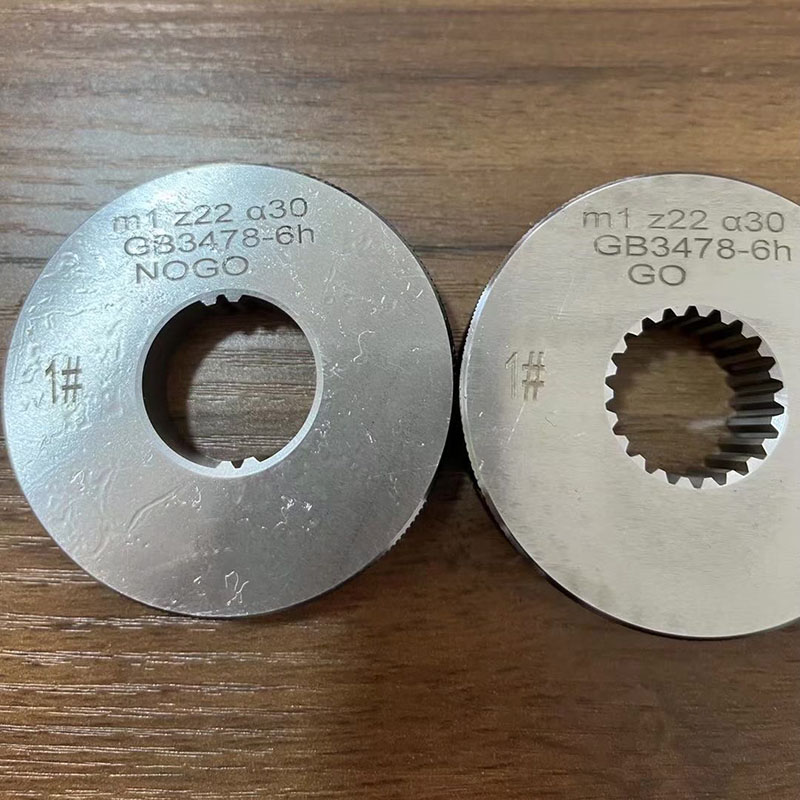
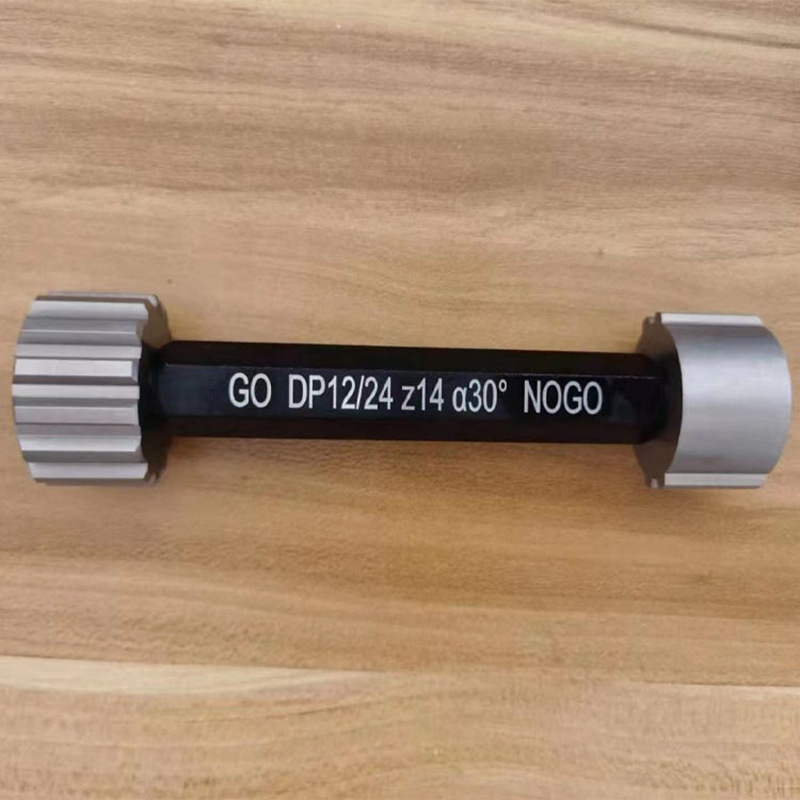
Understanding Threads Per Inch Gauge A Comprehensive Overview When it comes to manufacturing and engineering, the importance of precise measurements cannot be overstated. One of the critical measurements in this realm is the threads per inch (TPI) gauge. This measurement is essential in various applications, including machining, plumbing, and electronics, where threaded connections play a crucial role. Understanding Threads Per Inch Gauge A Comprehensive Overview The TPI measurement system can vary significantly depending on the type of threading used. For instance, Unified Thread Standard (UTS) is commonly used in the United States, featuring both metric and imperial systems. In the imperial system, common TPI values for bolts range from 4 to 32 TPI. In contrast, the metric system utilizes thread pitch, which is measured in millimeters per thread. Converting between these two systems requires a solid understanding of both TPI and pitch, making TPI an essential aspect for engineers and technicians. threads per inch gauge To measure TPI accurately, specific tools such as thread gauges and calipers are employed. A thread gauge can quickly determine the pitch of a thread, and once the pitch is known, it can easily be converted to TPI. This measurement is crucial not only for selecting the correct fasteners but also for quality control during manufacturing. Moreover, TPI plays a significant role in determining the strength and load-bearing capacity of threaded connections. Generally, a higher TPI results in finer threads, which can provide more holding power due to the increased surface area of engagement. However, finer threads may be more susceptible to stripping under heavy loads, making it essential to choose the appropriate TPI for specific applications. In conclusion, the threads per inch (TPI) gauge is a vital measurement in the manufacturing and engineering sectors. It ensures the proper fit and function of threaded components, preventing mechanical failures and enhancing safety. A thorough understanding of TPI, its measurement, and its implications can significantly impact the efficiency and reliability of various mechanical systems. As industries continue to evolve, the importance of precise TPI measurements will only grow, making it a topic worthy of attention.
-

High quality industrial productsagement

High quality industrial products
View Details -

Meet the diverse needs of customers

Meet the diverse needs of customers
View Details -

Strict quality control

Strict quality control
View Details -

Top raw materials

Top raw materials
View Details -

Trusted supplier

Trusted supplier
View Details
Our application

news and information
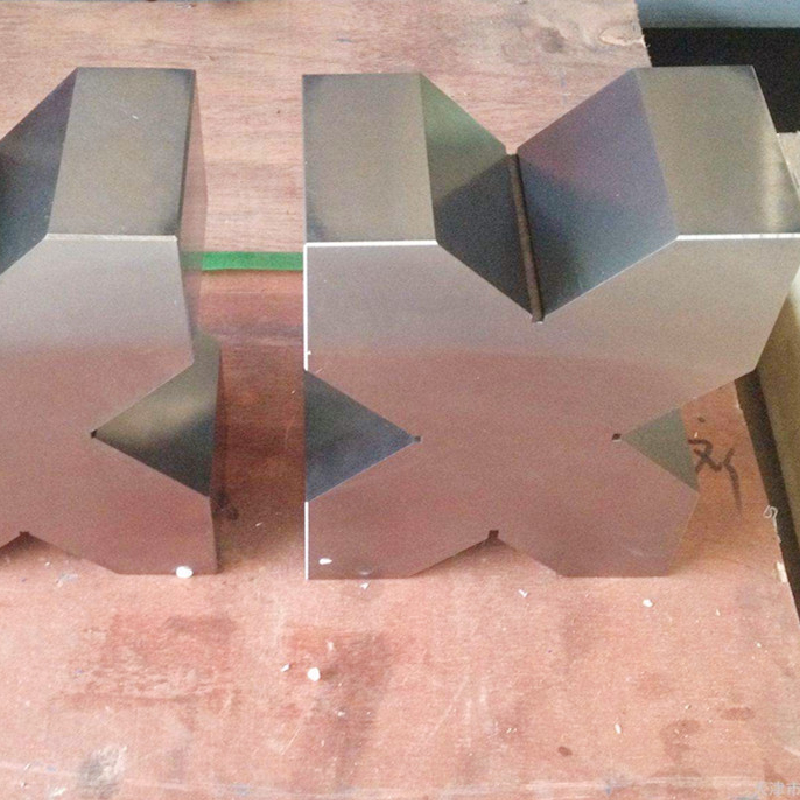
V Guide Rail - Precision Guiding Solutions for Enhanced Motion Control
The Importance of Guide Rails in Modern Infrastructure In the complex world of modern infrastructure
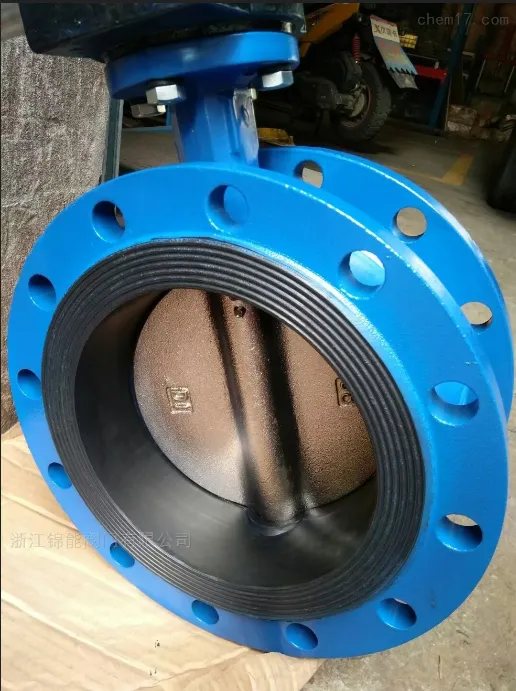
valve water
Understanding Valve Water The Key to Efficient Water Management Water is one of the most vital resou

y strainer pn16
Understanding Y-Strainers and Their Importance in PN16 Applications In industrial applications, flui
 English